Nervous flyers often tell me that it isn't the flying that scares them. It's the noises. A sudden thud, a whine that wasn't there a minute ago, the engines going quiet just after take-off. Without an explanation, every unfamiliar sound can feel like a warning.
Here is the good news. Nearly every sound you hear on a normal flight is planned, expected and completely routine. Pilots hear the same sounds every day, and we would be more surprised if they were missing. Let me walk you through a typical flight, in order, so you know exactly what to expect.
At the gate
The hum and whoosh of air. While you board, the aircraft is usually powered either by a ground power cable or by a small engine in the tail called the APU (auxiliary power unit). The APU runs the lights and air conditioning. You may hear a steady jet-like whine from the back of the aircraft. That is the APU.
Clunks and bumps under your feet. Bags and cargo are loaded into holds beneath the cabin. Baggage belts, containers sliding into place and hold doors closing all make thuds you can feel through the floor.
The cabin doors closing. A firm thunk, followed by the crew announcing "doors to automatic" or "arm doors and cross-check." This sets the emergency slides so they would deploy if a door were opened in an emergency. It is a routine safety step on every flight.
Pushback and engine start
The air conditioning pauses and the lights flicker. Starting a jet engine takes a lot of compressed air, usually supplied by the APU. On many aircraft the air conditioning packs are switched off briefly during engine start so all that air goes to the engine, and the cabin can go quiet or warmer for a minute. When electrical power transfers from the APU to the engine generators, the lights can flicker or dim for a moment. Both are normal.
The rising whine of the engines. As each engine starts, you hear a whine that rises in pitch, then settles into a steady hum.
The "barking dog." On many Airbus A320-family aircraft, you may hear a loud, repeating "brrt... brrt... brrt" from beneath the cabin, often during engine start or taxi. People describe it as a barking dog or a saw. It is the Power Transfer Unit (PTU), a hydraulic pump that helps balance pressure between two of the aircraft's hydraulic systems when only one engine is running. It sounds dramatic. It is simply a pump doing its job.
Taxi
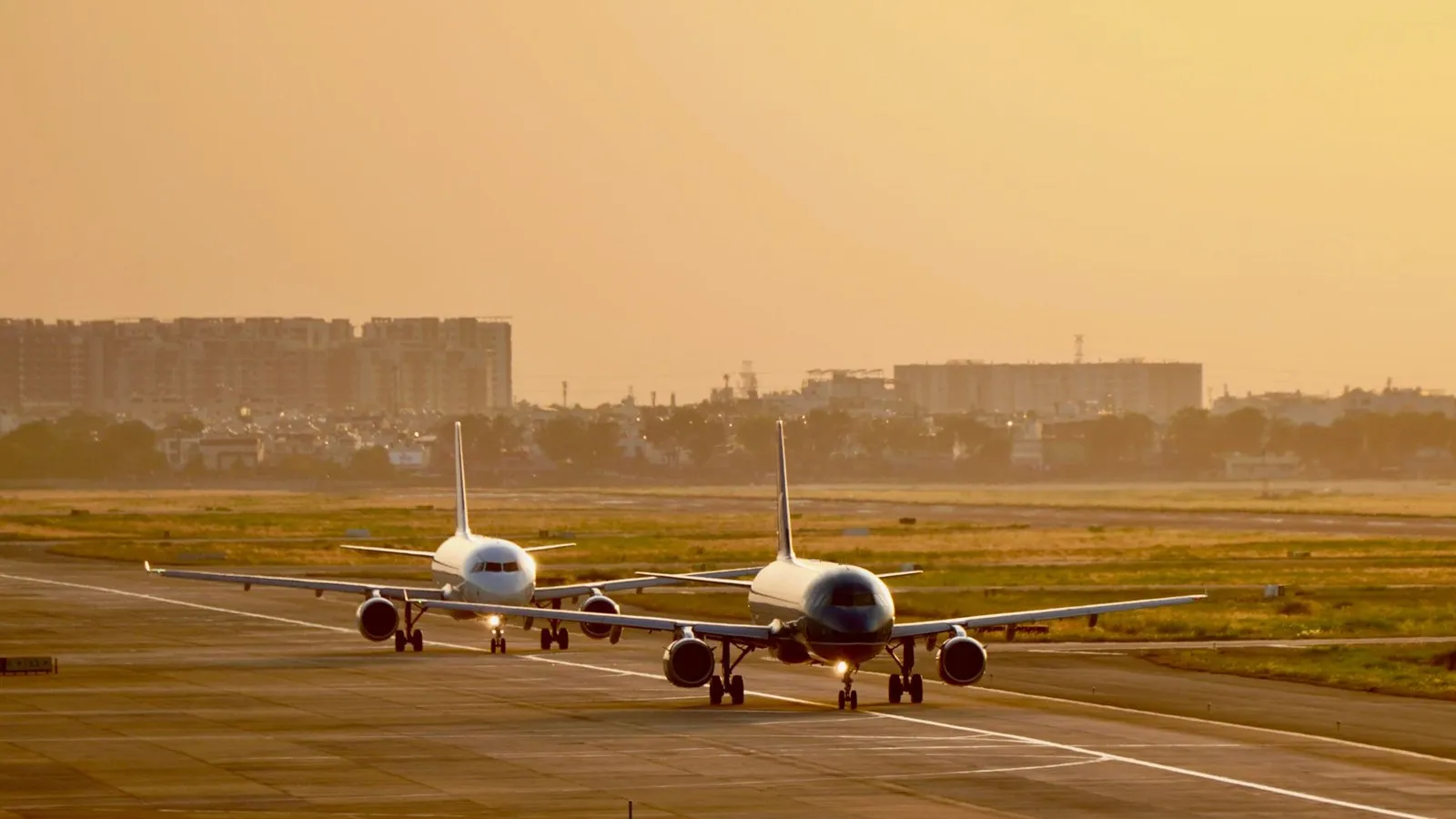
Bumps and rumbles. Taxiways have joints, lights and painted lines. The nose wheel rolling over them creates a rhythmic bump. Brakes being applied gently can make a squeak or hiss.
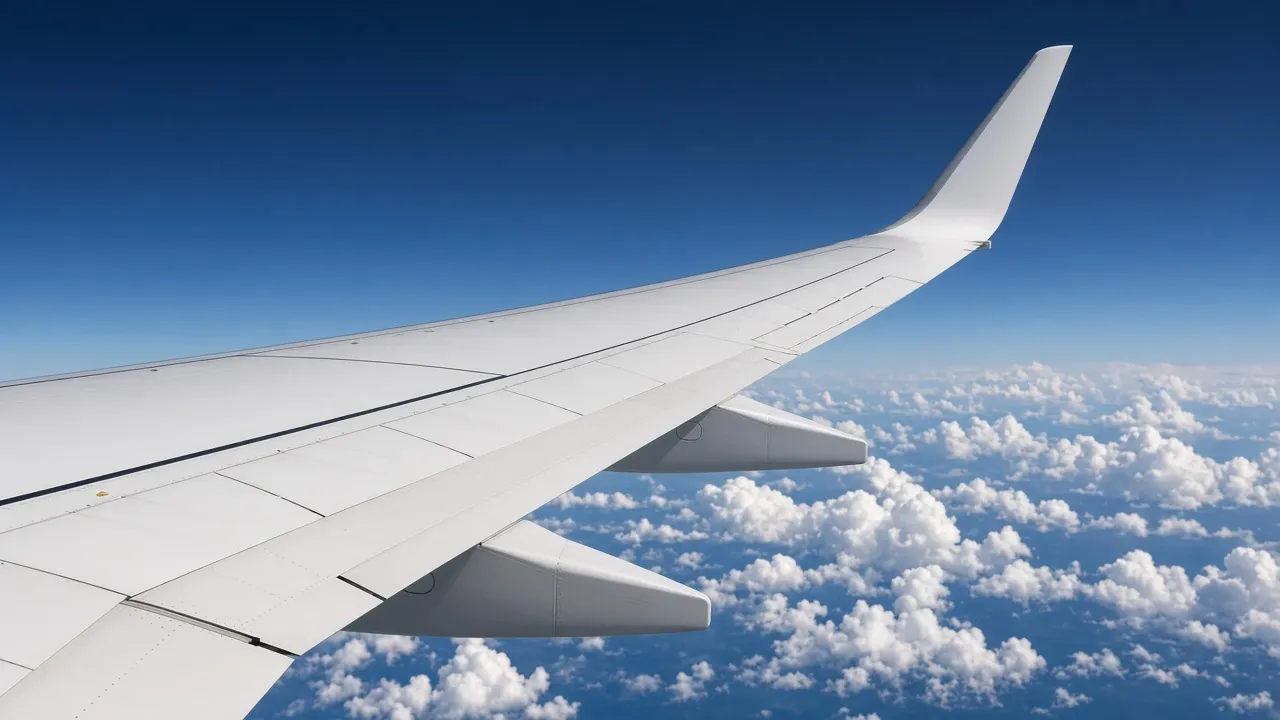
Flap motor whine. Before take-off, pilots extend the flaps, panels on the back of the wings that change the wing shape for slow-speed flight. Electric and hydraulic motors drive them and make a whirring sound. If you have a window seat, you can watch the flaps slide out.
Chimes. You'll hear chimes throughout the flight. Most are the pilots and cabin crew communicating, for example to let the crew know to take their seats before take-off. A chime is not an alarm.
Take-off
The roar. Engines go to take-off thrust, and the sound fills the cabin. You are pressed back into your seat. This is the loudest part of the flight.
Rumbling on the runway. The wheels roll fast over the runway surface, and the rumble stops the moment the wheels leave the ground, which some people find unsettling. It simply means you are flying.
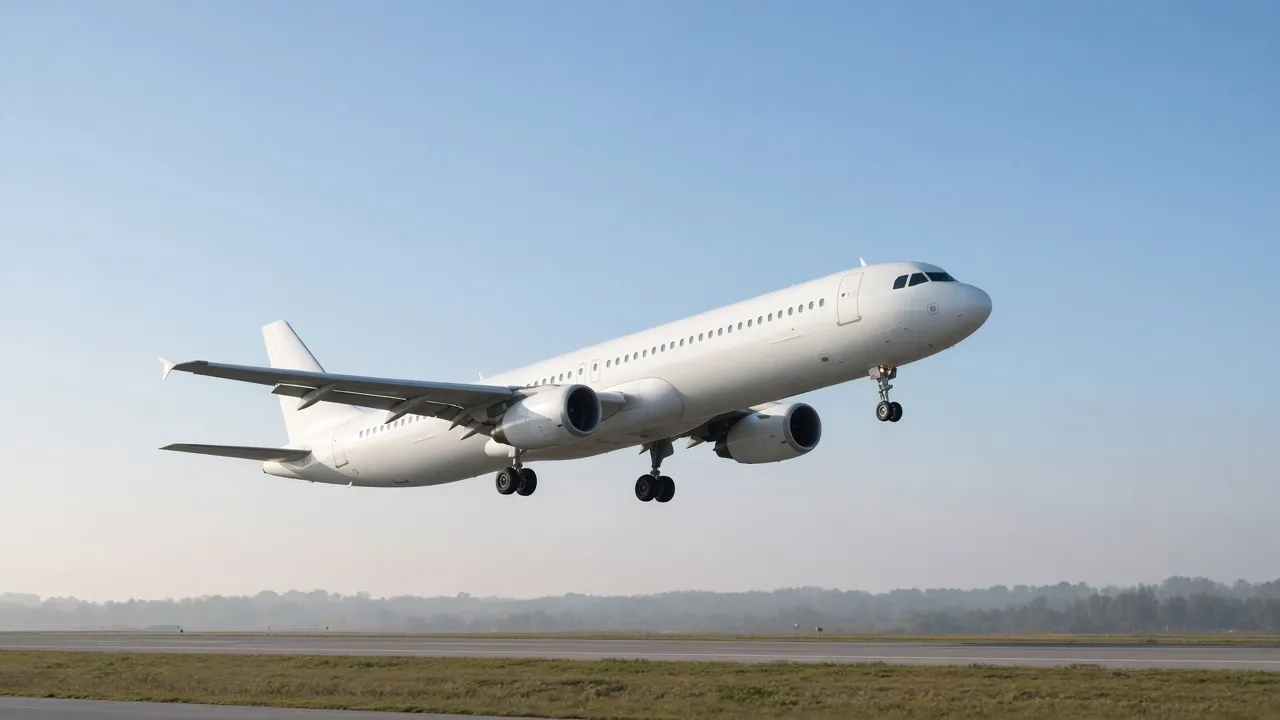
A loud thud and rush of air after lift-off. Within seconds, the landing gear retracts. You hear a rumble as the wheels fold up, then a thud as the gear doors close. The cabin often feels quieter afterwards because the wheels are no longer catching the airflow.
The engines go quiet. This is the one that frightens the most people. A minute or two after take-off, the engine noise drops noticeably and you may feel as if the aircraft is slowing or sinking. It isn't. Pilots have reduced from take-off thrust to climb thrust, a lower setting used for the rest of the climb. It is done on every flight, partly to reduce noise for people living near the airport and partly to save wear on the engines.
Flaps retract. As the aircraft speeds up, the flaps are brought back in, step by step. More motor whine, and sometimes a slight sinking feeling as the wing changes shape. Completely normal.
Climbing through 10,000 feet
A chime or two. On many airlines, passing around 10,000 feet is when the crew are told they can start the cabin service. You may hear a chime and the seatbelt sign may go off soon after.
Ears popping. The cabin is pressurised gradually as you climb. Swallowing, yawning or chewing helps your ears adjust.
Cruise
Steady hum and air rush. The engines settle and the air conditioning runs constantly. Most people find cruise the quietest, calmest part of the flight.
Small changes in engine sound. The autothrust system adjusts engine power constantly to hold a steady speed. Small rises and falls in sound are expected, especially in light turbulence.
Bangs from the galley. Trolleys being locked, oven doors closing, carts bumping. Galleys are busy places.
Toilet flush. Aircraft toilets use a vacuum system, which is surprisingly loud. Nothing to worry about.
Descent
Engines quieter again. As we start our descent, the engines are often brought almost to idle. The aircraft glides down efficiently. A quieter cabin at the start of descent is exactly what we planned.
A rumble or vibration from the wings. To descend faster or slow down, pilots may raise the speed brakes, panels on top of the wings. You may feel a light buffeting vibration and hear a low rumble. It stops as soon as they are lowered again.
Ears again. As the cabin pressure increases during descent, your ears may feel blocked. Swallow, yawn, or gently pinch your nose and blow.
Approach and landing
Flaps extending. In stages, the flaps come out again, with motor whine and small changes in how the aircraft feels.
The gear coming down. A loud rumble and thud as the landing gear lowers and locks, usually a few minutes before landing. The extra drag creates more noise and a slight change in the aircraft's attitude.
Engine sound changing on approach. The autothrust adjusts power to hold the approach speed precisely. You will hear the engines rise and fall in small steps. That is fine-tuning, not trouble.
Automated callouts. On the flight deck, an automated voice calls out the height above the runway: "fifty, forty, thirty, twenty, ten." You won't usually hear this in the cabin.
The firm touchdown. Sometimes a landing is deliberately firm, especially on a wet or short runway, to make sure the wheels grip well. A firm landing is not a bad landing.
The big roar after landing. Straight after touchdown, you may hear the engines get loud again. That is reverse thrust, which redirects engine airflow forward to help slow down. Combined with the brakes, it brings the aircraft to taxi speed smoothly.
Taxi to the gate
The barking dog returns. If the pilots shut down one engine to taxi in and save fuel, you may hear the PTU again.
Chimes and the seatbelt sign. Once parked, the engines are shut down, the seatbelt sign goes off with a chime and doors are disarmed.
Why knowing the sounds helps so much
Anxiety loves uncertainty. When you hear a sound without an explanation, your brain treats it as a possible threat and turns up your alarm system. When you can label a sound ("that's the gear," "that's the PTU," "that's climb thrust"), the alarm doesn't need to fire. Many of the nervous flyers I've spoken to say that learning the sounds was the single biggest thing that helped them.
Try this on your next flight: as each sound happens, name it quietly to yourself. You'll be surprised how calm it feels to be one step ahead.
A captain's note on what pilots listen for
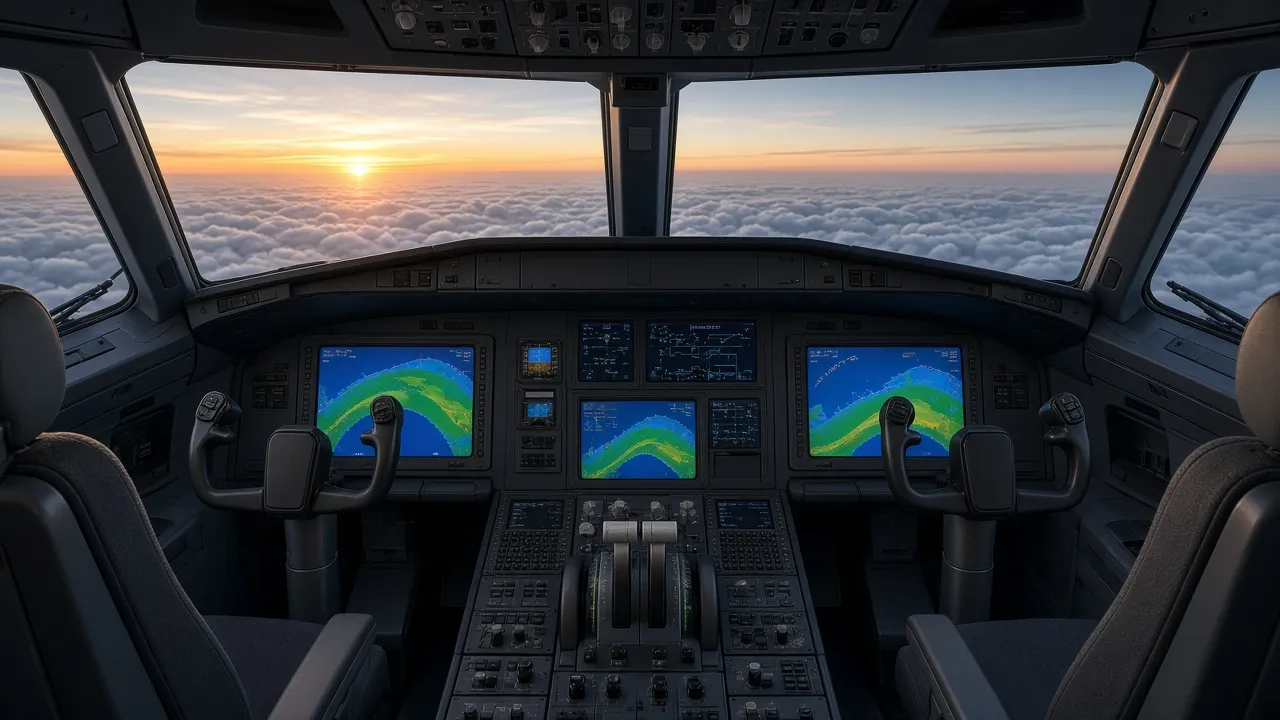
Pilots don't rely on sound to tell us whether the aircraft is healthy. We have detailed displays and alerts that monitor every system continuously. If something needed our attention, we would know long before you heard anything in the cabin, and we have trained procedures for it. So if you hear something unfamiliar, it is far more likely to be one of the normal sounds above than anything else.
For a printable, illustrated version of this list that you can keep in your bag, download my free guide. And if bumps bother you more than noises, read is turbulence dangerous? next.
Want this in your pocket?
Download my free illustrated PDF, Turbulence & Aircraft Sounds Explained by an Airline Captain, and take it on your next flight.
Get the free guideFrequently asked questions
What is the barking dog noise on an Airbus?
On many Airbus A320-family aircraft, a loud repeating "brrt-brrt" noise during engine start or taxi is the Power Transfer Unit (PTU), a hydraulic pump that balances pressure between two hydraulic systems. It is completely normal.
Why does the engine noise go quiet after take-off?
A few minutes after take-off, pilots reduce from take-off thrust to climb thrust. The engines become quieter, which some people mistake for a problem. It is a routine, planned step.
What is the loud thud after take-off?
That is the landing gear retracting into its bay and the doors closing behind it. You will hear a similar rumble and thud before landing when the gear comes down.
This article is general information, not medical or professional advice. Always follow instructions from your crew. If fear of flying seriously affects your life, please speak to a doctor or qualified therapist.